
InfocusRx Today

Deep-sleep-brain-waves-predict-blood-sugar-control.jpg

Deep-sleep brain waves predict blood sugar control

New findings from the University of California, Berkeley suggests that deep-sleep brain waves at night play a role in regulating the body’s sensitivity to insulin, improving sugar control the following day. The combination of two brain waves, sleep spindles and slow waves, increases the body’s sensitivity to insulin, leading to lower glucose levels. This discovery could potentially be used as a therapeutic treatment for individuals with high sugar or Type 2 diabetes. Additionally, these deep-sleep brain waves could serve as an indicator of a person’s next-day sugar levels, making them a valuable tool for mapping and predicting sugar control. The research, published in Cell Reports Medicine, reveals a new role for deep-sleep brain waves in managing sugar and complements previous studies that showed their role in learning and memory. The researchers analyzed sleep data from 600 individuals and found that the coupling of deep-sleep brain waves predicted next-day glucose control better than sleep duration or quality.


Gut bacteria linked to fatty deposits in heart arteries

A major study in Sweden has found a connection between specific gut bacteria and the development of coronary atherosclerotic plaques, which can lead to heart attacks. The study analyzed gut bacteria and cardiac imaging in nearly 9,000 participants without previously known heart disease. The researchers discovered that certain oral bacteria, particularly from the Streptococcus genus, were associated with an increased occurrence of atherosclerotic plaques in the small arteries of the heart when present in the gut. The study also found that the same bacteria were linked to levels of inflammation markers in the body. The findings highlight the need for further research on the relationship between gut bacteria and cardiovascular health.

Social isolation linked to lower brain volume

A study in Neurology suggests that limited social contact in older people may increase the risk of brain shrinkage and damage in dementia-affected areas. However, the study does not prove causation. It highlights the concern of social isolation among seniors and proposes that supporting social connections could potentially prevent brain atrophy and dementia. The research involved nearly 9,000 participants, revealing lower brain volume and memory-related area volume in those with the least social contact. Factors like age, diabetes, smoking, and exercise were considered, and socially isolated individuals had more white matter lesions. Symptoms of depression partly explained the relationship. Prior studies indicate that exposure to socially stimulating groups might reverse brain volume and cognitive declines in older people. Notably, this study focused on older Japanese individuals, so generalization to other populations requires further research.

Oracle Health Collaborates with Transform SSO of Ontario

Oracle Health and TransForm Shared Service Organization have collaborated to launch the Ontario eHub HIE, facilitating secure sharing of patient data among hospitals and care facilities in Ontario. Initially, 16 long-term care facilities and five hospitals will be integrated, enabling caregivers to access comprehensive patient information. The platform aims to streamline administrative processes, enhance patient care coordination, and eventually include all Ontario healthcare facilities and long-term care partners by the end of 2024. This initiative aligns with Ontario’s goal of creating an integrated healthcare system by implementing data exchange policies and standards, ultimately improving patient outcomes and healthcare coordination.

Testing Integration of Government Data with Service Delivery in US Virgin Islands

The U.S. Virgin Islands has signed a letter of intent with CRISP Shared Services to participate in a data and interoperability pilot program. The program aims to connect healthcare and services-related data collected by the government, improve identification and delivery of services, and enhance care for residents. The partnership will provide key information to healthcare professionals, agencies, and community organizations, leading to quicker decisions and improved treatments. The pilot phase will establish legal structures, data agreements, and integration milestones to create a fully operational Health Information Exchange (HIE). The U.S. Virgin Islands sees an opportunity for rapid modernization of its public health infrastructure through this initiative.

High-quality sleep promotes resilience to depression and anxiety

A recent study from the University of York has found that quality sleep can help protect against depression and anxiety, particularly during periods of chronic stress like the COVID-19 pandemic. Researchers analyzed data from over 600 participants and discovered that high-quality sleep and positive coping strategies, such as reframing negative situations, were associated with better mental health outcomes. The study emphasizes the importance of addressing both sleep quality and coping strategies when dealing with prolonged stress. The findings highlight the significant role sleep plays in managing chronic stress and reducing symptoms of depression and anxiety.

TrueCare Celebrates Graduation of Over Half its Home Hypertension Patients from RPM Program and Counting

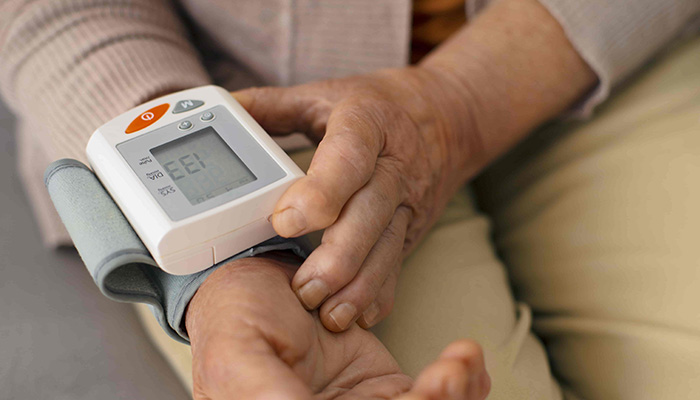
TrueCare, a community health center in North San Diego and Riverside Counties, aimed to enhance hypertension control among underserved patients. To achieve this, they implemented Rimidi’s remote patient monitoring (RPM) technology. Rimidi’s platform integrates with cellular-enabled blood pressure cuffs, enabling patients without constant WiFi or smartphones to utilize the technology. Additionally, the platform integrates with TrueCare’s EHR system. Collaborating with Rimidi, TrueCare designed the RPM program workflow, featuring personalized alert thresholds, automated messaging, and clinical decision support cards. Since its launch in January 2023, the program has enrolled 70 patients, with an average of 10 new patients per month. Thirty-four patients have successfully managed their blood pressure, and the program has also identified cases of white coat hypertension. TrueCare relies on grants and other sustainable models to support the RPM program.

OSF Healthcare Utilizes Predictive AI to Enhance Efficiency of Care Navigator Workloads

Researchers from OSF Healthcare and its partners have developed an artificial intelligence algorithm that can predict the upcoming week’s work for each cancer patient navigator (CPN) for their existing patients. They have also created a machine learning model that distributes new patients among the navigators within specialties to better balance workloads. The algorithm uses a three-year data set to analyze past workloads and make predictions each week for every patient. The researchers found that the algorithm achieved significantly greater workload fairness than random distribution. The plan is to integrate the tool into OSF Community Connect and pilot its efficacy ahead of the planned opening of the OSF Cancer Institute in 2024.

Potential Delay in Nationwide Telehealth Launch by Amazon Clinic

The nationwide expansion of Amazon Clinic, a subscription-based telehealth service, has been delayed due to a letter from Senators Elizabeth Warren and Peter Welch regarding patient privacy protections. The senators expressed concerns about the platform’s handling of user data and cited a Washington Post investigation. They asked Amazon to provide information on the data being collected, how it is used, and if it is used to promote other Amazon products. Amazon Clinic has refuted any delay caused by the inquiry and stated that it is preparing a response to the senators’ letter.

AWS Unveils $100M Generative AI Program

Amazon Web Services (AWS) has launched a new artificial intelligence (AI) initiative aimed at helping customers across various industries make better use of machine learning and automation. The program, called AWS Generative AI, will connect AI and machine learning experts with customers to collaborate on envisioning, designing, and launching new generative AI products and services. Partners in the program include Twilio and Highspot, who are working with the AWS Generative AI Innovation Center to develop generative AI models and scale solutions. AWS is also focusing on providing guidance for responsible AI implementation and optimizing machine learning to reduce costs.

Scroll to Top